By Sydney Rendahl
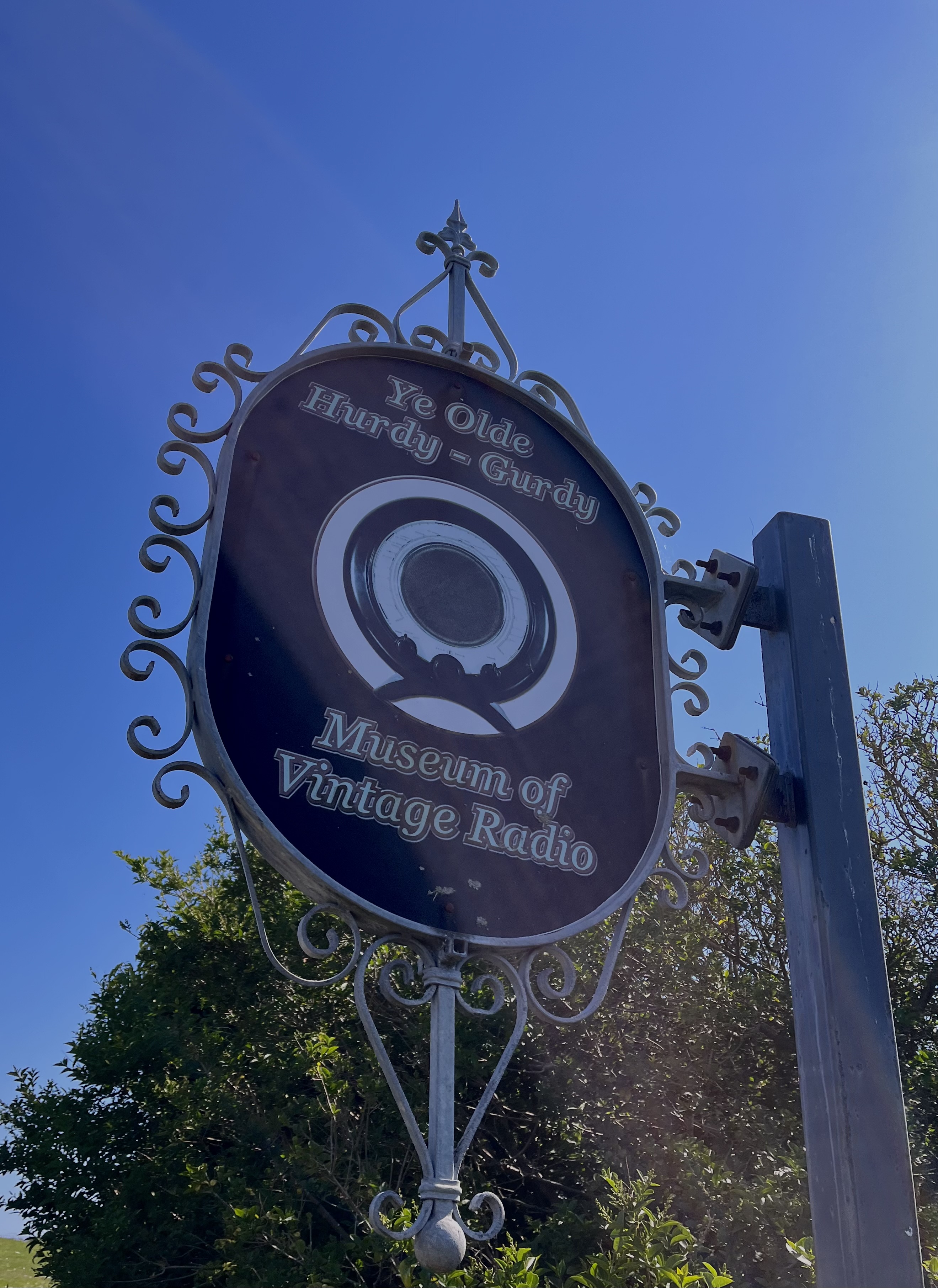
Ye Old Hurdy Gurdy Museum
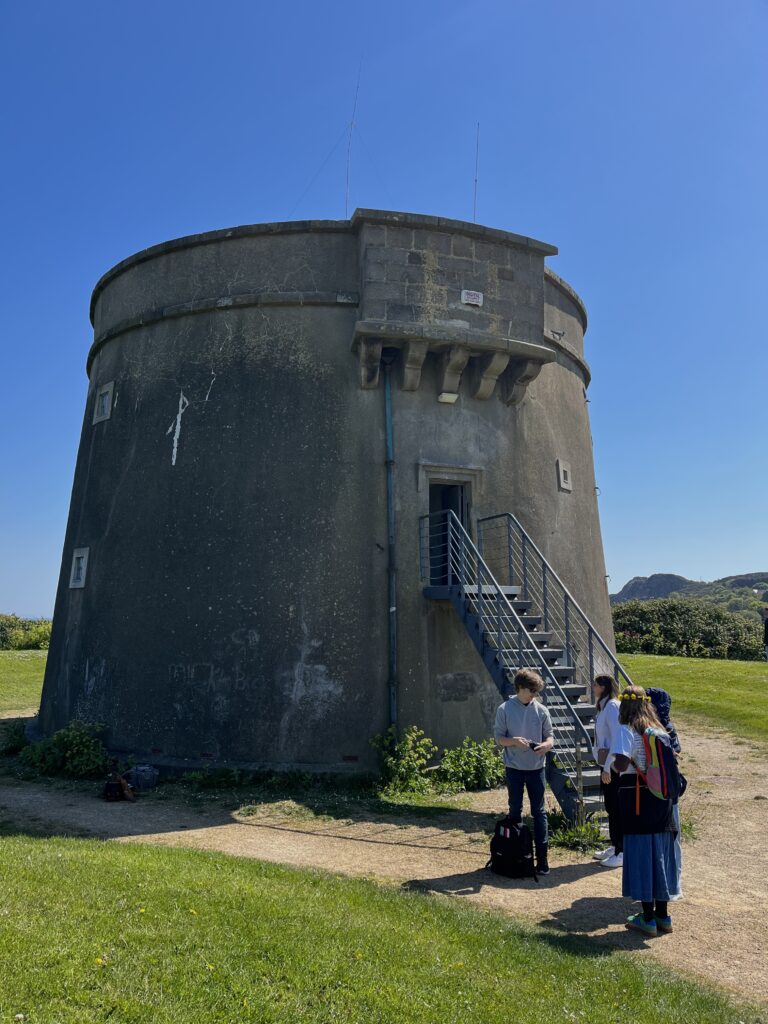
Nestled on the outskirts of Dublin, Howth is a lovely seaside town on the east coast of Ireland. The town is home to delicious seafood, a beautiful cliff walk and a unique museum sat upon the highest hill in the area. The Ye Old Hurdy Gurdy Museum of Vintage Radio is hosted in the old Howth Martello Tower, previously used by the British army as a base and lookout during the threat of invasion from Napoleon. The tower was built in 1805 and is ironically so thick due to its military past that radio signal has a hard time coming through the walls. Despite this, the tower is home to a lot of radio history including being the recipient of the first telegraph line from Wales to Ireland as well as producing the first wireless radio transmission. This rich history of radio made it fit to become the Ye Old Hurdy Gurdy Museum of Vintage Radio in 2003.
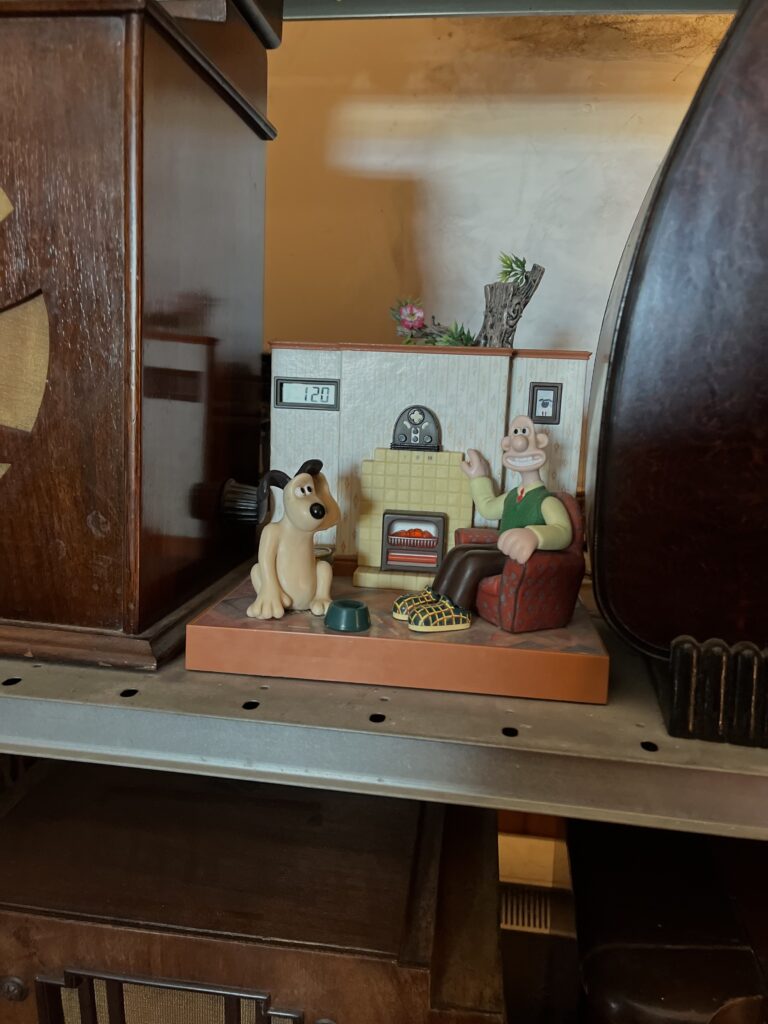
The museum itself is essentially a collection of all radio related memorabilia, supplies and contraptions. Within the curation you can find anything from a radio hidden within a picture frame used during Nazi Germany to a radio designed to look like a scene from Wallace and Gromit. The vast collection comes from one man’s 60 years of work, Pat Herbert. Herbert collected these radios and accessories throughout his life and chose to curate a museum with his own personal collection. After Herbert’s passing in 2020, the museum was kept up by the group of volunteers that worked with him.
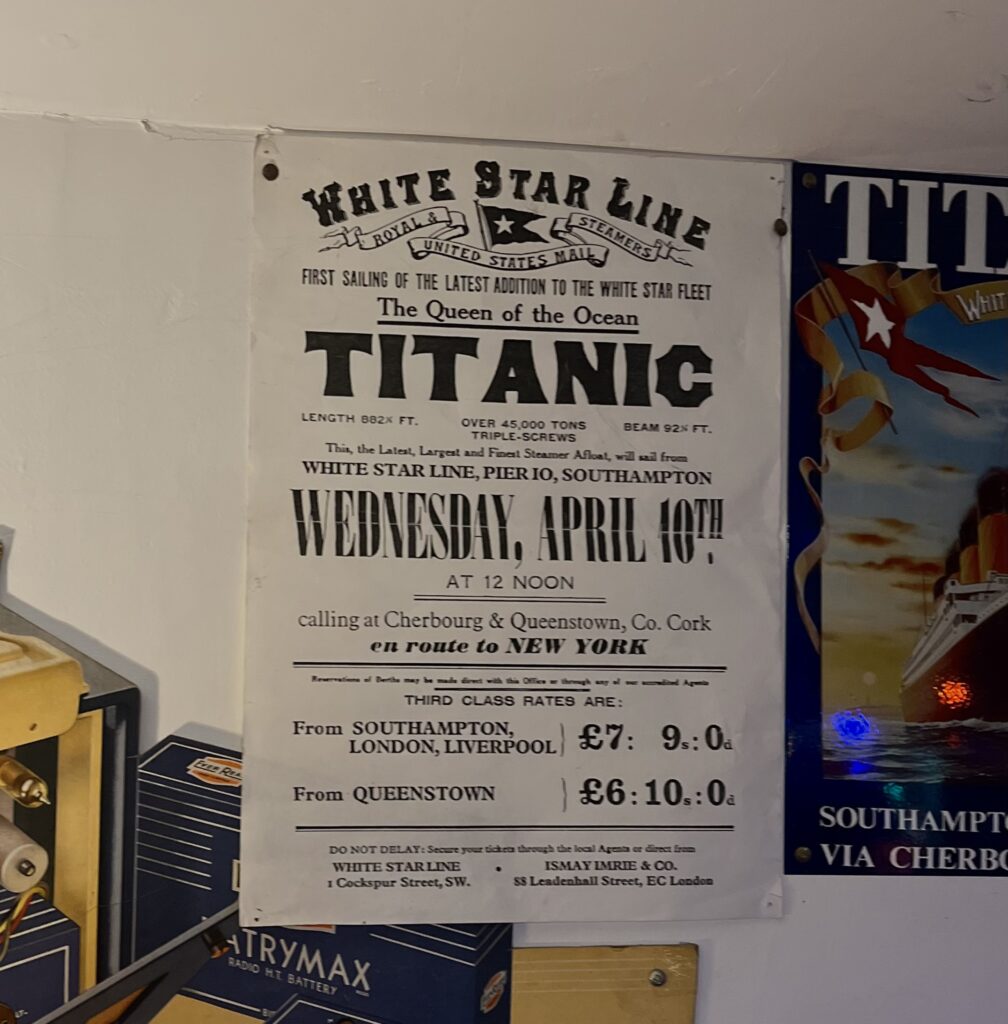
Now, the museum is of great interest as many movie sets and productions reach out to acquire vintage props and inspiration for period pieces being made. The museum also came under interest during our visit as a crew of newscasters from Sweden were there taking video and interviews about the museum itself. The museum also houses a variety of vintage gadgets and knickknacks less radio-adjacent like a quite large and quite loud fog horn, vintage posters including one advertising tickets to set sale on the Titanic, and a vinyl record player in the shape of a steering wheel with a needle placed in a wind-up car that drives round and round the record.
The museum is also home to the amateur radio station E10MAR where many of the volunteers broadcast out.
The museum is one of the most unique and interesting museums I have ever been to. The collection is vast and diverse and the man that gave us the tour was so knowledgeable about every item in the collection there was a detailed story behind every knickknack and gadget. The museums history and ode to Pat Herbert makes it clear how much radio is important to the community and how passionate they are about keeping radio alive and influential. The museum is not one I would plan on going to on my own accord but it was one of the most interesting things I went to on this trip and I encourage all Dublin visitors to venture out to Howth for the day and stop at The Ye Old Hurdy Gurdy Museum before hitting the beach and cliffs. The little tower on the hill might surprise you with the treasure it holds inside.
National Print Museum
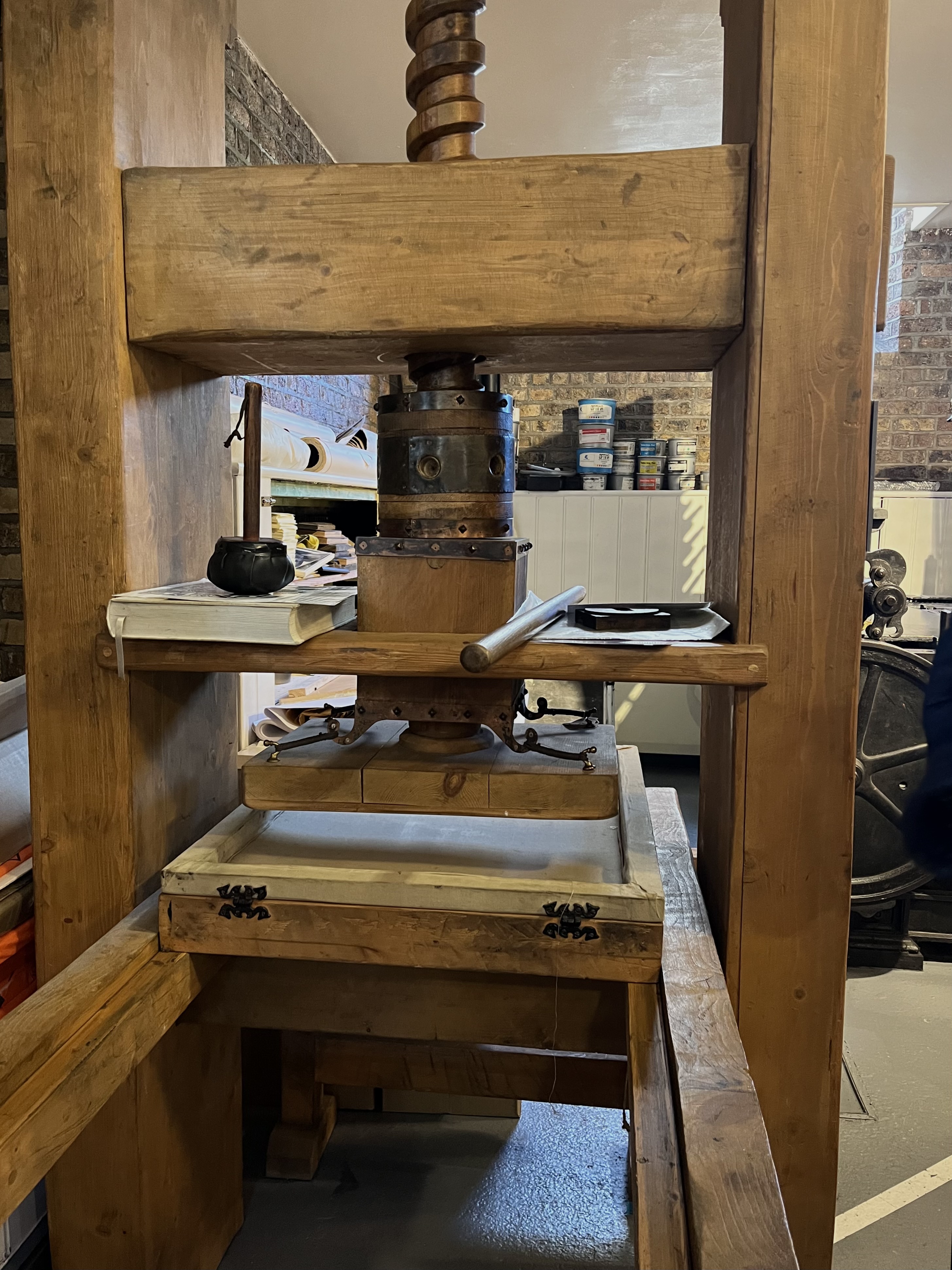
The National Print Museum sounds like something a bit boring and a bit dreadful. I don’t blame you for thinking that. The name isn’t really its selling point. What’s inside however, is a great selling point. The National Print Museum houses essentially every method of printing there is in the world. From letter by letter coining to plate presses of full stories, the print museum has it all. If you have never wondered how printing presses worked, you aren’t alone. I never wondered about this either. However, now that I know the inner workings of a classic printing shop, I feel I am a new woman.
The introduction of the printing press was world changing, birthing a new era of information. The printing press made written word accessible in ways never seen before. Before the press, scribes meticulously hand wrote books taking 5 years to create one copy. This lengthy process created a class divide in information as the copies were unattainable by non-elites. The division of information was interrupted by the printing press as the revolutionary device smashed the glass ceiling and allowed accessible print at a much more affordable rate. The printing press also came at a time of scientific discovery and innovation and the release of the printing press allowed this information to be shared and ended the churches efforts to dismantle science. With the printing press came an age of revolution that ignited forces and shifted power and allowed intellectualism to become the ultimate power.
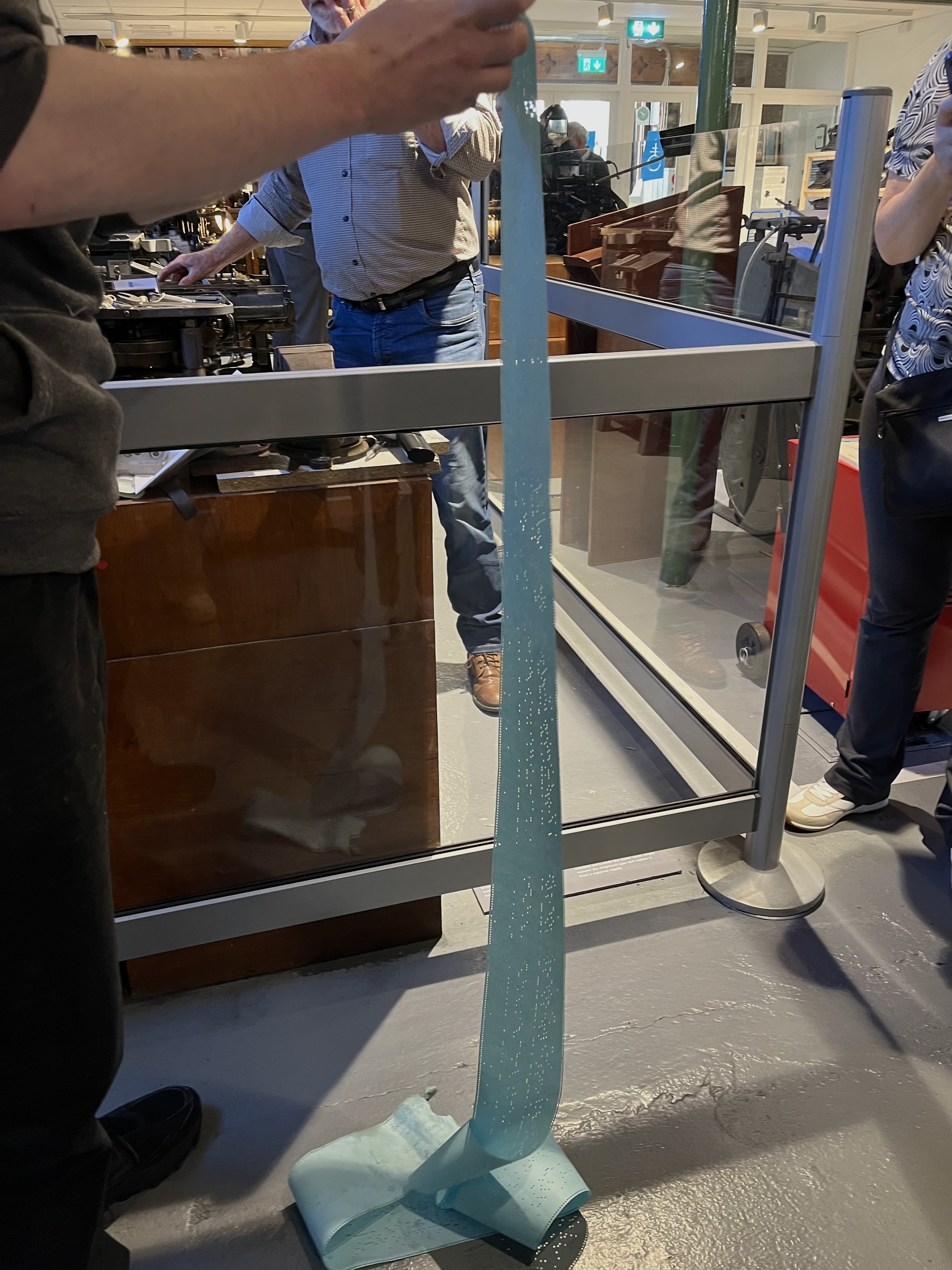
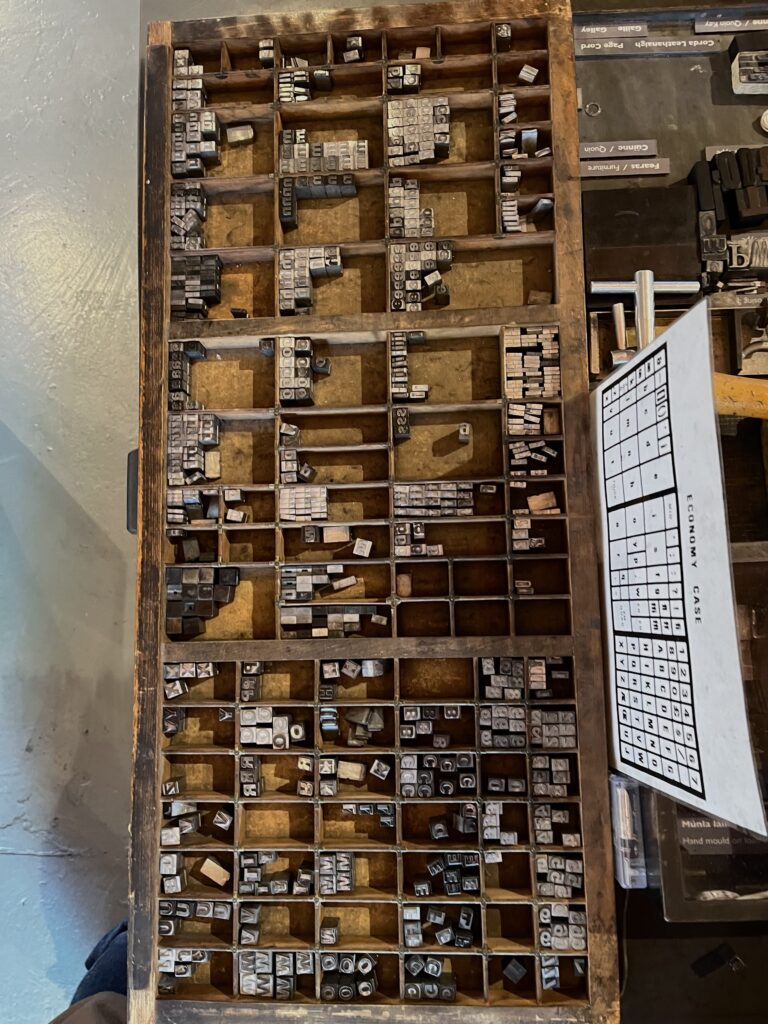
With the importance of the printing press in mind in, the National Print Museum became that much more impactful on me. Within the museum there is a variety of different presses and the volunteers that worked in the museum knew every detail about each one. The volunteers used to work in the old printing presses when they were in operation and now spend their time educating people on the importance and the history of the printing press. The drawers of the museum were filled with individual characters of every font and typeface you could think of. Each letter could be used to create a story, headline, or wanted poster. The most fascinating piece of equipment in the room was the typewriter with three typefaces in one that punched holes in a piece of receipt-like paper. This receipt paper was then taken to a new machine, one that read the holes by blowing air through them, and decided what letter was meant to be pressed. This fast-paced technique revolutionized printing to be even faster than before. Another machine in the building was categorized as the Rolls-Royce of printing machines. This printer was used via pre-made plates of text that were then stamped onto paper and delivered as a copy. With this machine, each one of us got a copy of the Irish declaration of independence.
Overall, the national Print Museum was a Museum that outdid its name. Inside this building is a whole new world that house is a rich history and showcases the beginnings of a revolution. The National Print Museum was my favorite museum I have ever been to and I highly recommend it to anyone, even if it doesn’t sound that interesting to you. You might be surprised what new ideas a printing press can give you.