On Day Three we started our classes for the trip. Our first guest speaker was Professor Roddy Flynn from Dublin City University. His lecture was on Mass Media in Ireland Since the Foundation of the State. He started it out by showing us pictures from Dublin’s history. Two pictures of note that he showed us were one of the Irish Parliament after being assembled, and a picture of the Eucharistic Gathering. He then went on to discuss Irish identity and how this played an important role in Irish media. Different newspapers took different positions on what it meant to be Irish, especially depending on what they supported. There were various newspapers that supported Home Rule, while some others were Unionist newspapers. After that he talked about censorship. Censorship in Irish media has happened in film, literature, publications, etc. Lots of material that was considered offensive was removed or changed from Irish media for a very long time. Later, this censorship would lighten, and certain parts would be lifted. I also found some of the smaller details he went over to be quite interesting, such as the Irish film Industry not really existing until 1990 – which is fairly recent. He continued to lecture and tell us how Irish media began to liberalize a bit in the 1960s. This was a result of the 1960 Broadcasting Act – which would take an arm’s length approach with a state – broadcaster relationship. This is so that Irish broadcasts were not just a mouthpiece of the government. This led to Broadcasters being allowed to speak ill of government and politicians, which resulted in a lot of tension between the two. However, Roddy noted that the liberalization was “relative” as it was still a homogenous, Catholic society. Then in 1988, broadcast competition began, as more channels were started and it wasn’t just RTE broadcasting anymore. This led to many radio stations and television stations to be born, and a lot of UK and US television to be broadcast to Irish audiences. Finally, he showed us modern day media statistics in Ireland. These statistics show that people in Ireland are quite connected to the electronic world, similar to most people. Overall, this lecture was interesting.
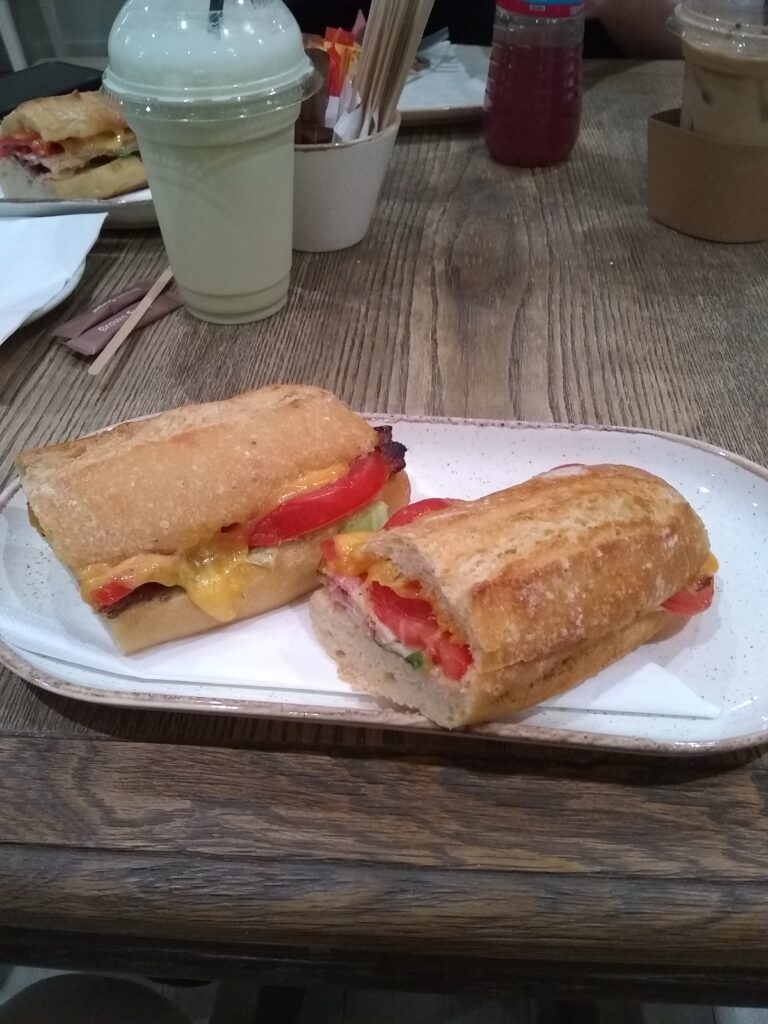
After the lecture we went to find a café to eat at before we visited the print museum. We took Sean’s suggestion and visited the café Il Valentino. This café had a great selection of things, and we each got something delicious. I got a nice BLT.
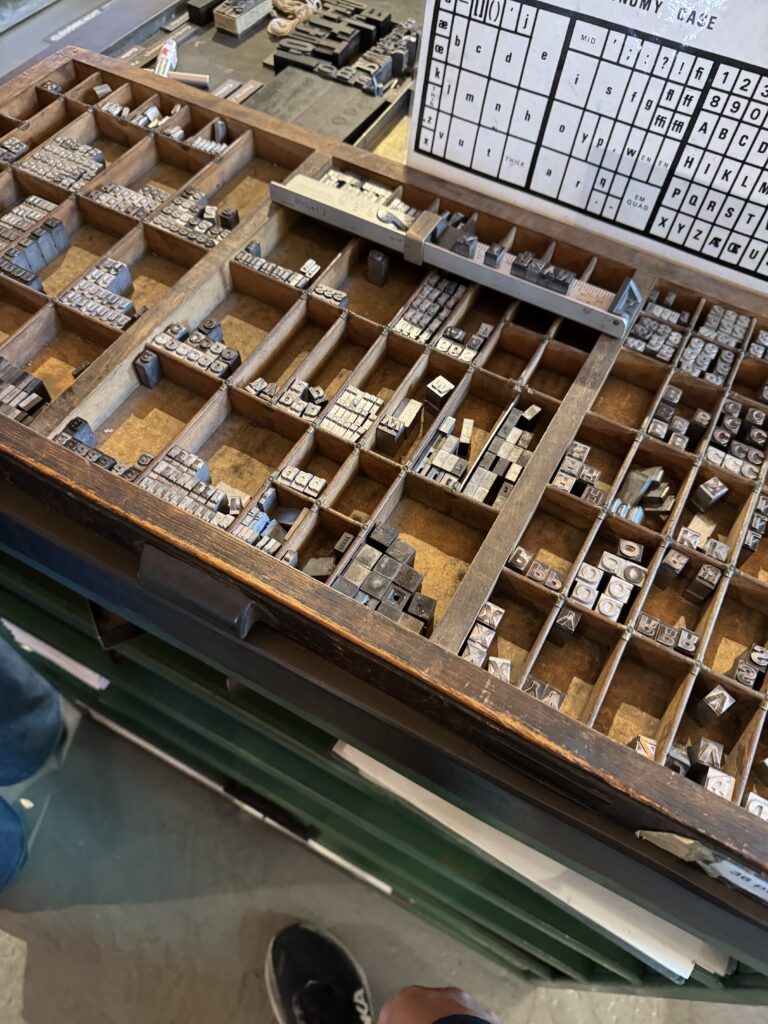
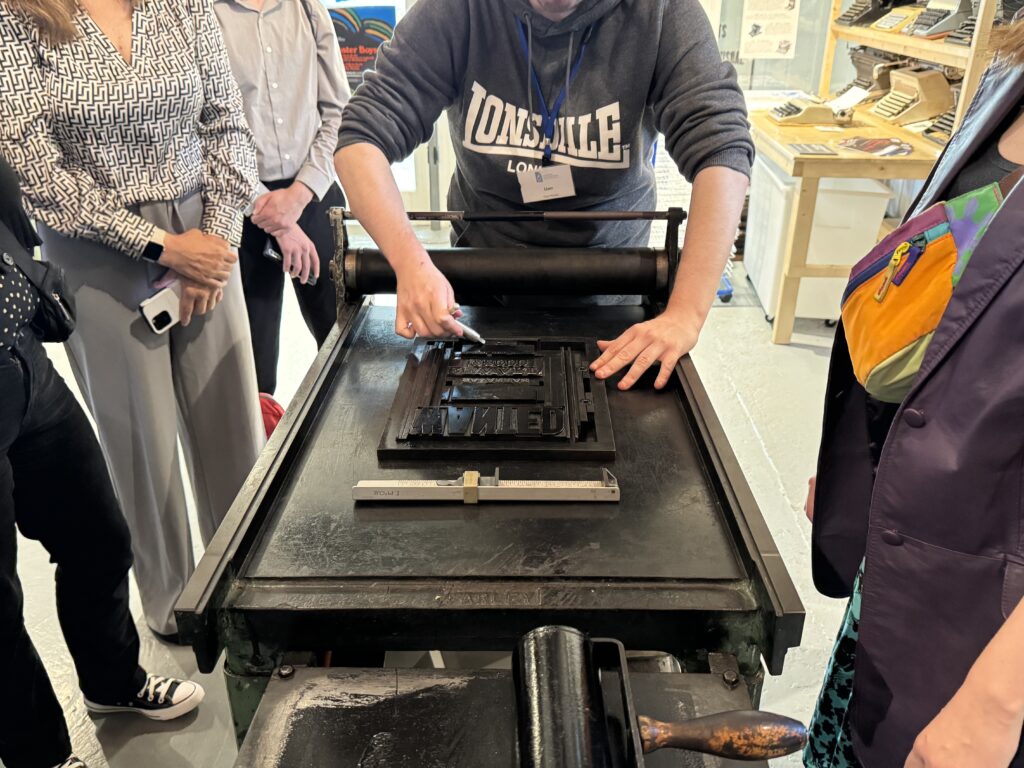
After that it was time to go to the National Print Museum. This was such a fascinating place, and showed us a lost art. We were shown printing presses and other printing machines. We were shown how printing used to be done. This was cool to see, as it is almost a forgotten part of history.
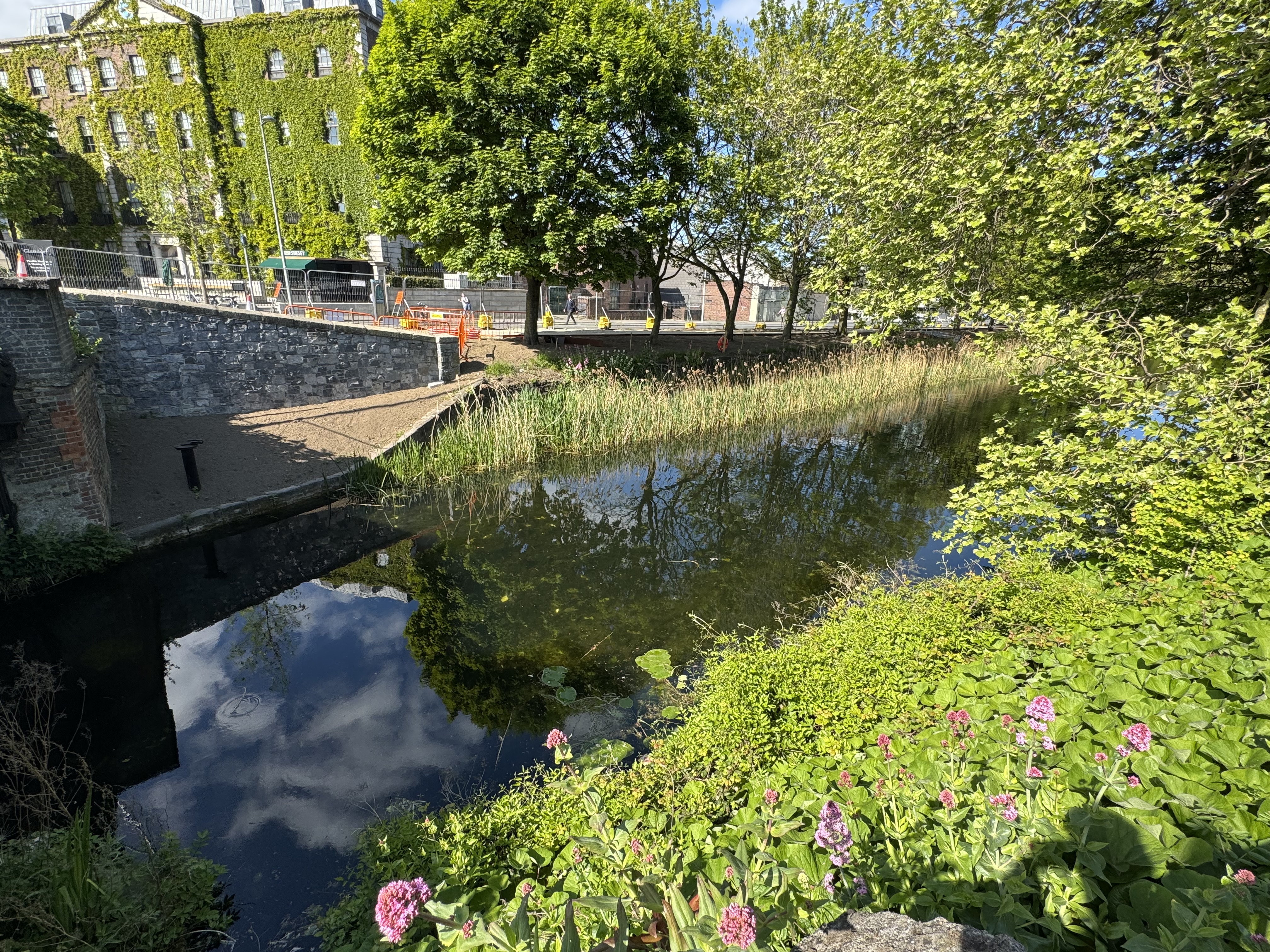
After the print museum we decided to walk along the canal, as we all wanted to see its wonders. It was very beautiful, with very clear water stretching far away.

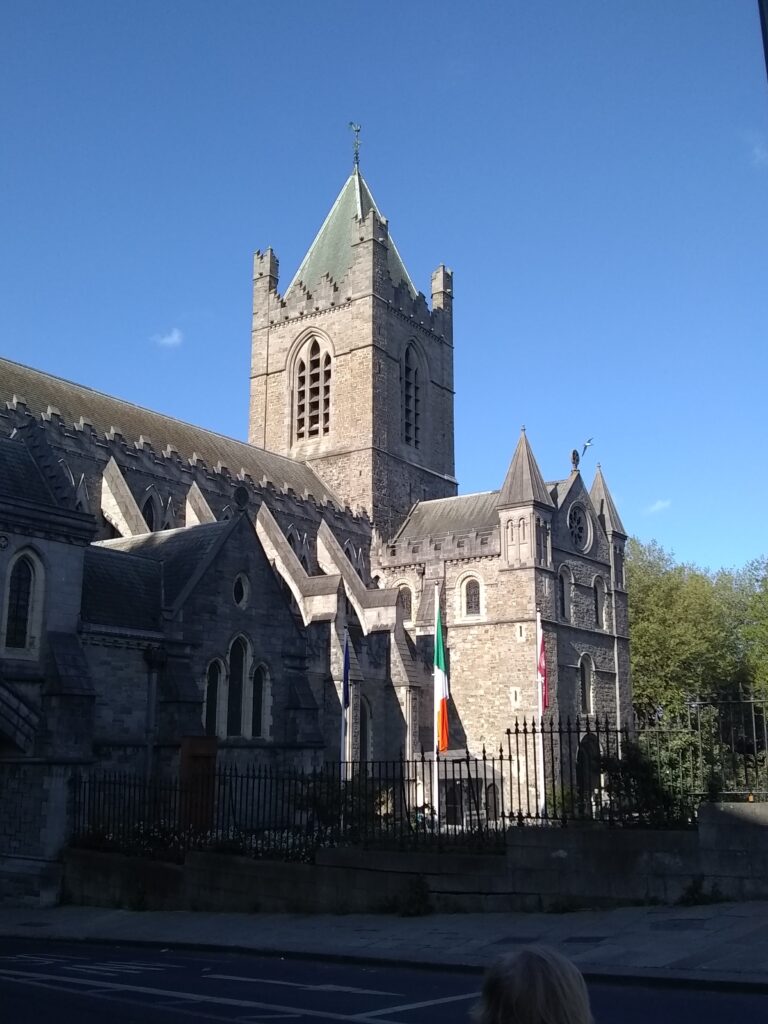
After being here for a while, we went to our final activity of the night. This was attending the service at Christchurch. This was a very cool service and the Choir was amazing. Nothing like some spiritual healing to end off the third day.